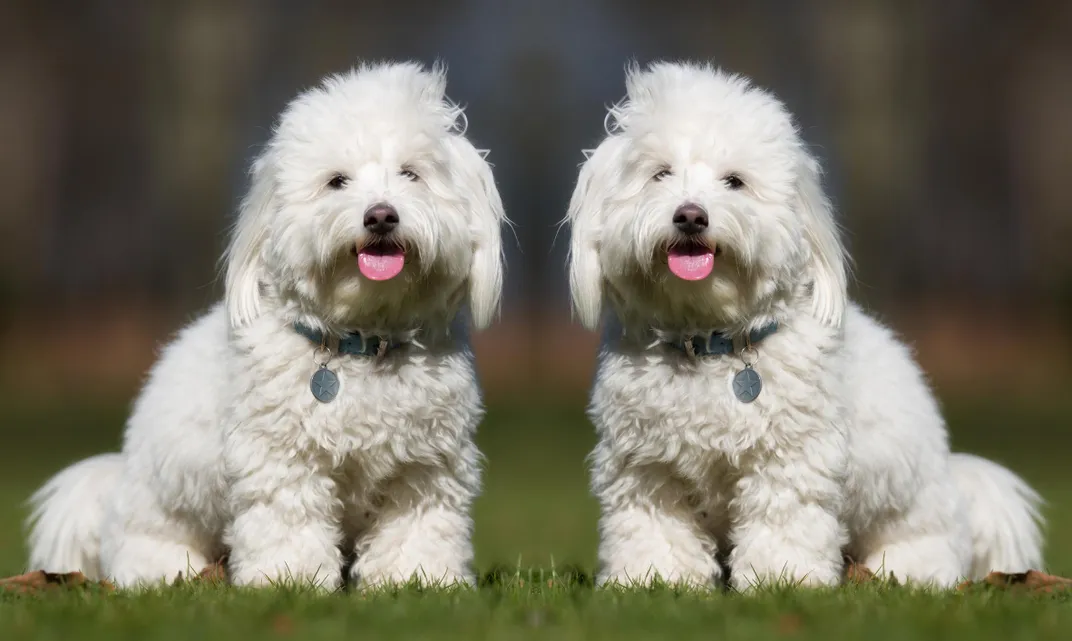
Dog cloning sounds like something from science fiction, but it is a real service available today. Some owners consider it after losing a beloved dog, hoping to preserve a connection with the pet they miss. Others are simply curious about how cloning works, what it costs, and whether a cloned dog is truly the “same” dog.
The reality is more complicated than the marketing often suggests. Dog cloning can create a puppy with nearly the same nuclear DNA as the original dog, but it does not bring back the same personality, memories, training, experiences, or emotional history. A clone may look very similar, and may even share some traits, but it is still a new individual.
At EDogDog, we explore the role of modern dog technology with a practical mindset. Cloning is one of the most advanced and controversial parts of the future of dogs, and owners should understand both the science and the emotional reality before forming an opinion.
What Dog Cloning Means
Dog cloning is the process of creating a new dog that is genetically very similar to another dog. The most common cloning method is called somatic cell nuclear transfer, often shortened to SCNT.
The U.S. Food and Drug Administration explains that SCNT involves taking genetic material from a donor animal’s body cell and placing it into an egg cell that has had its own nucleus removed. After lab steps, the embryo may be implanted into a surrogate female where it can develop.
In simple terms, scientists take the genetic instructions from the original dog and use them to create an embryo. If the process works, the resulting puppy has the same nuclear DNA as the donor dog.
However, genetics are not the full story of a dog. A dog’s personality, habits, confidence, fears, training, preferences, and behavior are also shaped by pregnancy, early life, socialization, home environment, health, and experience.
The Basic Dog Cloning Process
The cloning process usually begins with genetic preservation. This means collecting living cells from the dog, commonly through a small skin biopsy taken by a veterinarian. Those cells are then cultured and preserved, often by freezing, so they can be used later.
A cloning company then uses one of those preserved cells for SCNT. The nucleus from the donor dog’s cell is placed into an egg cell from another dog. That egg cell has already had its own nuclear DNA removed. The reconstructed egg is stimulated to begin dividing like an embryo.
If the embryo develops, it is implanted into a surrogate dog. If pregnancy succeeds, the surrogate gives birth to the cloned puppy.
The Merck Veterinary Manual describes somatic cell nuclear transfer as a technique where a donor diploid cell is transferred into an egg cell without its original nucleus, producing an embryo with a nuclear genome identical to the donor animal.
This process is highly technical and does not guarantee a puppy every time. It involves laboratory work, egg donors, surrogate mothers, veterinary procedures, and careful timing.
How Much Does Dog Cloning Cost?
Dog cloning is expensive. ViaGen Pets, one of the best-known pet cloning companies in the United States, lists the total cost of dog cloning at $50,000, paid in two equal installments. The company also notes that state sales tax may apply where relevant.
Some owners may also pay separately for genetic preservation before deciding whether to clone later. Older pricing discussions from veterinary sources have mentioned genetic preservation and annual storage fees, but current cloning prices should always be checked directly with the provider because costs and policies can change.
In practical terms, dog cloning is not a casual purchase. It costs as much as a car, a major home project, or several years of routine pet care. Owners also need to think about future costs for the cloned puppy, including food, training, veterinary care, insurance, grooming, and long-term health needs.
Can You Clone a Dog After They Die?
In some cases, cloning may still be possible after a dog dies, but timing and tissue condition matter a lot. Cloning requires living cells. If too much time passes or the tissue is not handled properly, the cells may no longer be usable.
Some cloning companies provide instructions for veterinarians on how to collect samples after death, but this is a sensitive and urgent situation. Owners should not assume cloning will always be possible later.
The more reliable option, if someone is seriously considering cloning, is genetic preservation while the dog is still alive. This allows cells to be collected under controlled conditions. Still, preserving cells does not mean an owner must clone. It only keeps the option open.
For most families, this decision should be made carefully and emotionally, not in a rushed moment of grief.
Will the Cloned Dog Look the Same?
A cloned dog may look very similar to the original dog, especially in body structure, coat type, and many physical traits. Because the clone shares the same nuclear DNA, strong physical resemblance is expected.
However, the dog may not look exactly identical in every detail. Coat markings, color patterns, size, and development can be influenced by more than DNA alone. Small differences can happen because of developmental conditions, pregnancy environment, nutrition, and random biological variation.
This is especially true for dogs with complex markings. Two dogs with the same DNA may still have differences in spots, patches, or coat patterns.
So a clone may strongly resemble the original dog, but owners should not expect a perfect visual copy in every possible way.
Will the Cloned Dog Have the Same Personality?
This is one of the most important questions. A cloned dog is not the same individual emotionally or behaviorally. The clone does not inherit memories, training, life experiences, or the bond you built with the original dog.
Personality is influenced by genetics, but it is also shaped by early socialization, environment, handling, training, health, and life events. A cloned puppy may share some tendencies with the original dog, but they will develop their own personality.
An American Animal Hospital Association article about pet cloning notes that cloned pets are normal animals, but it also discusses the emotional and ethical complexity of choosing cloning.
This is where expectations matter. If an owner expects the cloned dog to “bring back” the original dog, they may be disappointed. If they understand the clone as a new dog with a genetic connection, their expectations may be more realistic.
Cloning Is Not Reincarnation
It is important to be clear: cloning is not reincarnation, resurrection, or a way to recover the same dog. The cloned puppy will not remember you. It will not know your old routines automatically. It will not have the same emotional history.
The original dog’s uniqueness came from more than DNA. It came from years of shared experiences, training moments, daily routines, favorite games, fears overcome, habits built, and the bond formed over time.
A clone may be meaningful to some owners because of the genetic connection. But it should be welcomed as a new puppy, not pressured to replace the dog who passed away.
This distinction matters for the puppy too. Every dog deserves to be loved as themselves.
Ethical Questions Around Dog Cloning
Dog cloning raises ethical questions. The process can involve egg donor dogs and surrogate dogs. Not every embryo becomes a healthy puppy. Some critics worry about animal welfare, the emotional vulnerability of grieving owners, and whether cloning encourages people to see dogs as replaceable.
Smithsonian Magazine has discussed concerns about pet cloning, including cost, ethics, and the idea that cloning cannot recreate the same animal’s personality or lived experience.
There is also the broader question of resources. Some people believe the money spent on cloning could instead support shelters, rescues, veterinary care, or adoption. Others feel that owners should be free to make personal decisions if the process is legal and animal welfare standards are followed.
A balanced view recognizes that cloning is emotionally meaningful for some people, but it is not a simple or consequence-free technology.
Health and Welfare Reality
A cloned dog is still a real dog with normal needs. They need socialization, training, veterinary care, exercise, enrichment, identification, safety tools, and daily attention.
Owners should not assume a cloned dog will have the same health outcome as the original dog. Genetics can influence health risks, but environment, diet, veterinary care, activity, and random factors also matter.
If the original dog had a genetic disease risk, cloning may preserve that risk. This is one reason owners should think carefully before cloning a dog with known inherited health problems.
For everyday care, cloned dogs need the same thoughtful protection as any other dog. This includes basic identification, a registered microchip, proper training, and possibly modern tools such as smart collars and GPS if the dog has escape risk.
Cost vs. Reality
The high cost of dog cloning can create strong expectations. If someone pays $50,000, they may hope for an emotional result that science cannot guarantee. This is why owners need to separate the genetic reality from the emotional wish.
The cost pays for a complex biological process, not the return of the same companion. It may create a puppy who looks very similar and shares DNA, but the relationship must begin again.
For many owners, adopting or buying another dog from a responsible source may be a healthier emotional choice. A new dog will not replace the old one, but neither will a clone. Both require a new bond.
Cloning may make sense to a small number of owners who fully understand the limits. But it is not a universal answer to grief.
How Cloning Fits into Modern Dog Technology
Dog cloning sits at the extreme end of modern pet technology. Most dog technology focuses on daily safety and care, such as GPS collars, health wearables, QR tags, activity trackers, cameras, and smart home tools.
These tools help owners care for the dog they have now. For example, health wearables may help track activity, rest, sleep, and behavior changes. GPS collars may help if a dog escapes. Identification tools may help reunite lost dogs.
Cloning is different because it is about reproduction and genetics. It is less about daily care and more about creating a new animal from preserved DNA.
As technology advances, owners will likely see more discussion around cloning, genetics, and dog DNA. EDogDog’s page on dog DNA and genetics can help owners think more broadly about what genetics can and cannot tell us.
Questions to Ask Before Considering Dog Cloning
Before considering cloning, owners should ask honest questions. Am I hoping to bring back the same dog? Can I accept that the clone will be a different individual? Do I understand the cost? Am I comfortable with the use of donor eggs and surrogate dogs? Could adoption, rescue, or another puppy meet my emotional needs in a healthier way?
It is also worth asking whether the original dog had health issues that could be genetic. If so, cloning may preserve those risks. A veterinarian or genetics professional may help you think through this.
Owners should also consider timing. Making decisions during grief can be difficult. If possible, avoid rushing into expensive choices immediately after loss. Emotional pain can make cloning sound more comforting than it may feel later.
Final Thoughts
Dog cloning works through a scientific process called somatic cell nuclear transfer. It can create a puppy with nearly the same nuclear DNA as the original dog. The process usually requires preserved living cells, laboratory embryo creation, and a surrogate mother. Current commercial dog cloning in the United States can cost around $50,000.
But the reality is important: a cloned dog is not the same dog returned. The clone may look very similar and share genetic traits, but it will not have the same memories, personality, training, or life experience. It is a new dog who deserves to be treated as an individual.
For some owners, that genetic connection may feel meaningful. For others, the emotional, ethical, and financial questions may make cloning the wrong choice. There is no need to judge grief, but there is a need for clear expectations.
Dog cloning is one of the most complex topics in modern pet care. It shows how far science has come, but it also reminds us that the bond with a dog is more than DNA. Love is built through shared life, not copied in a lab.
For more practical guides on dog technology, genetics, and safety, visit the EDogDog blog or explore the EDogDog FAQs for more answers about the changing world of dog care.


