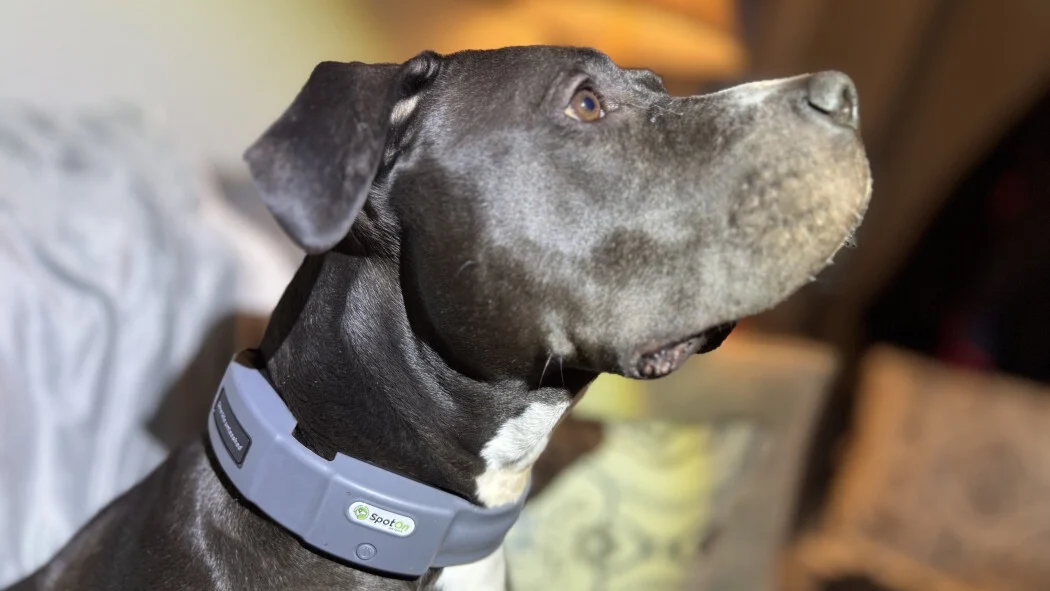
Dog trackers are becoming more common among pet owners who want extra peace of mind. They can help you locate your dog, monitor activity, set safe zones, and sometimes even track health-related patterns. But before choosing any tracker, two things matter more than almost anything else: battery life and reliability.
A dog tracker is only useful if it works when you need it. If the battery dies too quickly or the location updates are slow, the device can become stressful instead of helpful. This is especially important for owners who depend on smart collars for escape alerts, outdoor walks, travel, or daily safety.
At EDogDog, we focus on practical dog technology that helps owners make better decisions. Before buying a tracker, it is important to understand what battery life really means, why reliability can change from place to place, and what you should realistically expect from these devices.
Why Battery Life Matters So Much
Battery life is one of the first things dog owners should check before buying a tracker. A tracker may have impressive features, but if it needs charging too often, many owners stop using it properly. Once the device is not charged, it cannot protect your dog or give you useful data.
Most dog trackers need power for location updates, app connection, notifications, activity monitoring, and sometimes health-related sensors. The more often the tracker checks your dog’s location, the faster the battery drains. This is why GPS-based trackers usually need more charging than simple Bluetooth trackers.
Some trackers may last only one or two days with heavy use, while others may last a week or more in normal mode. Battery life can also depend on your dog’s movement, signal strength, app settings, and how often live tracking is used. So when a company says a tracker lasts “up to” a certain number of days, that usually means under ideal conditions.
For owners exploring different location tools, EDogDog’s guide to smart collars and GPS can help explain how GPS tracking works and why some devices use more battery than others.
GPS Tracking Uses More Power
GPS tracking is one of the most useful features in a smart collar, but it also uses a lot of energy. A GPS tracker needs to find your dog’s location, process that information, and send it to your phone through an app. Many trackers also use cellular networks, Wi-Fi, or Bluetooth to improve location accuracy.
When your dog is safely at home, the tracker may use less power because it does not need constant updates. But when live tracking is active, the device may update your dog’s location more frequently. This is helpful if your dog escapes, but it can drain the battery faster.
This is why many dog trackers have different modes. Normal mode saves battery by updating less often. Live mode gives faster updates but uses more power. Some devices also allow you to create safe zones, so the tracker only sends alerts when your dog leaves a set area.
For everyday use, most owners do not need live tracking turned on all the time. It is better to use normal mode during regular days and save live tracking for situations where your dog is moving away or missing.
What Battery Life Should You Expect?
There is no single battery life that applies to every dog tracker. A small lightweight tracker may be easier for your dog to wear, but it may have a smaller battery. A larger tracker may last longer, but it may not be comfortable for smaller dogs.
In general, owners should expect GPS dog trackers to need regular charging. Some may require charging every few days, while others can last longer depending on settings. If the tracker is used mainly for safe zone alerts and basic activity tracking, the battery may last longer. If it is used for frequent GPS updates, outdoor trips, and live tracking, it may drain faster.
The best battery life depends on your lifestyle. If your dog spends most of the time indoors, a tracker with several days of battery may be enough. If your dog goes hiking, travels often, or has a habit of escaping, you may want a tracker with stronger GPS features and a dependable charging routine.
Owners should also check whether the app gives low-battery alerts. A good tracker should notify you before the battery gets too low. This helps you charge it before it becomes useless.
Reliability Is Not Just About the Device
Many people think reliability only depends on the tracker itself, but that is not true. A tracker’s performance can also depend on signal coverage, weather, buildings, battery level, app settings, and the collar fit.
GPS usually works best outdoors with a clear view of the sky. If your dog is inside a building, under thick trees, near tall buildings, or in an area with poor service, the tracker may not update as accurately. Some trackers use cellular networks to send location data, so weak mobile coverage can also affect performance.
This does not mean trackers are bad. It simply means owners should understand their limits. Even a good tracker may not give perfect results in every situation.
The American Veterinary Medical Association explains that microchips are not GPS devices. A microchip helps identify your dog if they are found, but it does not show you where your dog is. This is why many owners use both a microchip and a tracker for stronger protection.
Why Fit and Comfort Affect Reliability
A tracker can only work properly if your dog wears it correctly. If the collar is too loose, it may slip off. If it is too tight, it can be uncomfortable. If the device is too heavy, your dog may dislike wearing it.
Small dogs may need lightweight trackers, while larger dogs can usually handle bigger devices. Active dogs may need stronger attachments so the tracker does not fall off while running, rolling, or playing. Water resistance is also important because dogs often get wet from rain, grass, puddles, or baths.
Before depending on a tracker, test it during normal activities. Let your dog wear it around the house, during walks, and during playtime. Check whether it stays in place and whether your dog seems comfortable. A tracker that falls off easily is not reliable, no matter how good the technology is.
For owners who want a broader look at protective devices, dog safety tech explains how different tools can work together to keep dogs safer.
App Notifications Must Be Checked
A tracker depends heavily on its app. If app notifications are disabled, delayed, or ignored, you may miss important alerts. This is especially important for safe zones. If your dog leaves the home area, the tracker should send a notification quickly.
Owners should test notifications before relying on them. Create a safe zone, walk outside the boundary with the tracker, and see how quickly the alert arrives. This helps you understand how the device works in real life.
Also, make sure your phone has notifications turned on for the tracker app. Battery-saving settings on your phone can sometimes delay app alerts. If you use the tracker for safety, the app should be allowed to send urgent notifications.
A good tracker should make alerts simple and clear. You should not have to search through confusing screens during an emergency.
Activity and Health Tracking Can Affect Battery
Many smart collars do more than track location. They may also measure activity, rest, sleep, scratching, licking, or general movement. These features are useful for owners who want to understand their dog’s daily habits.
For example, if your dog is usually active but suddenly moves much less, that change may be worth noticing. If your dog is restless at night or sleeping more than usual, it could help you decide whether to monitor them more closely or speak with a vet.
These wellness features usually use less power than GPS, but they still affect battery life. If you use many features at the same time, the battery may drain faster. For more information on this side of pet technology, you can visit EDogDog’s guide to health wearables.
The American Kennel Club also explains that exercise needs can vary by breed, age, and health. Activity data from a smart collar can support daily awareness, but it should not replace your understanding of your dog’s individual needs.
Subscriptions and Service Coverage
Many GPS dog trackers require a monthly or yearly subscription. This is because they use cellular service to send location data to your phone. Without an active subscription, some tracking features may not work.
Before buying a tracker, check the subscription cost and what is included. Some devices may look affordable at first but become more expensive over time because of monthly fees. Others may cost more upfront but include better service or features.
Service coverage is also important. If the tracker uses a cellular network, it needs signal in your area. A tracker that works well in one city may not work as well in a rural location with weak coverage. If you travel with your dog, check whether the tracker works in the places you visit.
How to Make a Tracker More Reliable
A tracker works best when the owner builds a simple routine around it. Charge it regularly, check the battery before walks, keep the app updated, and make sure the collar fits properly. You should also test safe zones and live tracking before an emergency happens.
It is also smart to keep your dog’s ID tag and microchip information updated. A tracker is helpful, but it should be part of a complete safety plan. If the collar comes off or the battery dies, your dog still needs identification.
The ASPCA recommends microchipping pets and keeping registration information current. This is a simple but important step for dog safety.
Final Thoughts
Battery life and reliability are two of the most important things to consider when choosing a dog tracker. A good tracker should fit your dog comfortably, stay charged long enough for your routine, send alerts clearly, and work well in your usual locations.
GPS trackers are powerful tools, but they have limits. Battery life can change based on live tracking, signal strength, activity monitoring, and settings. Reliability can be affected by buildings, coverage, weather, fit, and app notifications.
For most owners, the best tracker is not always the one with the most features. It is the one that works consistently for your dog’s lifestyle. An indoor dog may need strong safe zone alerts and long battery life. An outdoor dog may need better GPS and durability. An older dog may benefit more from health and activity tracking.
As pet technology continues to improve, trackers will likely become smarter, smaller, and more reliable. This is part of the larger future of dogs, where connected devices may help owners care for pets with more confidence.
A tracker should not replace careful ownership, secure doors, proper training, ID tags, or regular vet care. But when used correctly, it can add a valuable layer of protection. For many dog owners, that extra peace of mind is exactly what makes a tracker worth it.


