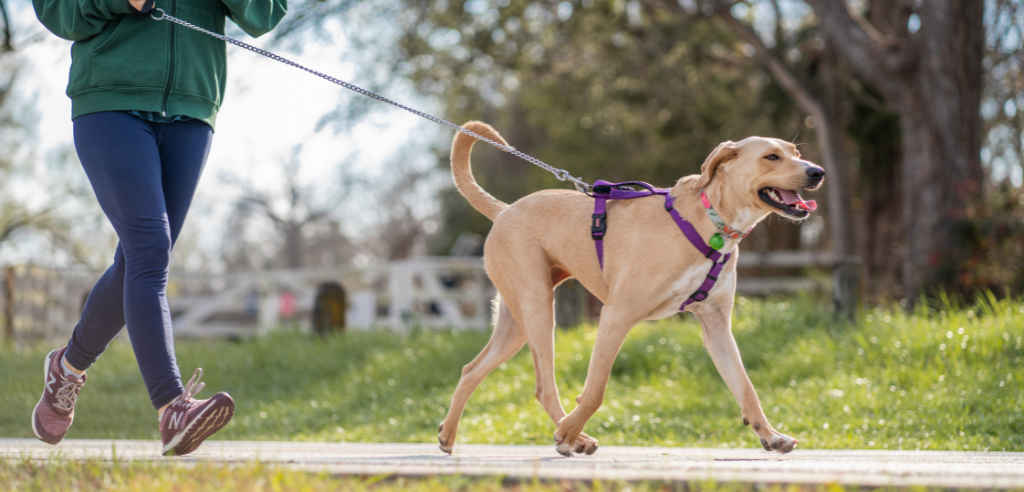
Fitness goals are common for humans, and now many dog activity trackers offer similar goals for pets. A smart collar or wearable may tell you how many active minutes your dog completed, how many steps they took, how many calories they may have burned, or whether they reached a daily activity target. For some owners, this can be motivating. For others, it can feel confusing or even stressful.
So, do dogs really need fitness goals? The answer is yes and no. Dogs need healthy movement, but they do not need fitness goals in the same way humans use them. Your dog does not care about reaching a number on an app. What matters is whether they are getting the right kind of exercise, rest, enrichment, and care for their age, breed, health, and personality.
At EDogDog, we believe fitness goals can be useful when they help owners create better routines. But they should never become pressure, punishment, or a replacement for understanding your dog as an individual.
Why Dog Fitness Matters
Regular movement supports a dog’s physical and mental health. Exercise can help with weight control, muscle tone, joint mobility, digestion, sleep, and behavior. Dogs who do not get enough movement may become bored, restless, overweight, or frustrated.
But exercise is not only about running or long walks. Sniffing, gentle walking, training games, tug, fetch, swimming, scent work, and indoor play can all support fitness in different ways. The best routine depends on the dog.
A young energetic dog may need more activity and mental challenges. A senior dog may need shorter, gentler movement. A dog recovering from injury may need strict limits. A flat-faced dog may need careful exercise in warm weather. A small indoor dog may need frequent short play sessions rather than long outdoor walks.
This is why fitness goals should be flexible. The goal is not to copy another dog’s routine. The goal is to support your dog’s wellbeing.
What Dog Activity Trackers Measure
Dog activity trackers usually measure movement through sensors. Depending on the device, they may show steps, active minutes, distance estimates, calories, rest, sleep, scratching, licking, or general activity scores.
These numbers can be helpful, especially when owners want to understand daily routine patterns. If your dog usually gets a certain amount of activity but suddenly drops far below that level, the change may be worth noticing. If your dog becomes restless after low-activity days, the tracker may help you connect the pattern.
EDogDog’s page on health wearables explains how wearable tools can support daily awareness. The key is to treat tracker data as guidance, not a perfect measurement.
A tracker cannot fully understand effort. A slow sniffing walk may be mentally rich but may not score as high as running. A training session may tire your dog’s brain but not show up as intense activity. Fitness data is useful, but it does not capture the whole dog.
Fitness Goals Should Be Personal
A common mistake is assuming every dog should meet the same kind of goal. That is not realistic. Dogs vary widely in size, breed background, age, health, temperament, and daily routine.
The American Kennel Club explains that exercise needs vary based on breed, age, and health. This means a healthy young retriever may need a very different routine from a senior toy breed or a dog with joint discomfort.
If you use a smart collar app, its activity goal may be a starting point, but it should not be treated as a strict rule. Your dog’s real life matters more than the app’s number.
A better fitness goal might be: help your dog move comfortably every day, maintain a healthy weight, sleep well, stay mentally engaged, and recover properly after activity.
Puppies Need Careful Activity Goals
Puppies often have bursts of energy, but they also need rest. Their bodies are still developing, and too much repetitive or intense exercise can be hard on growing joints. Puppies also need training, socialization, and safe play more than strict fitness targets.
A wearable may help you understand a puppy’s routine, but owners should avoid pushing puppies to hit high activity numbers. Instead, focus on short play sessions, gentle walks, basic training, and plenty of rest.
Puppies may become overtired and act more wild rather than calmer. If your puppy is biting, zooming, or struggling to settle, they may need a nap as much as they need exercise.
Fitness goals for puppies should be soft, flexible, and based on healthy development.
Adult Dogs Need Consistency
Healthy adult dogs often benefit from consistent daily exercise. This may include walks, playtime, training, sniffing, and enrichment. For many owners, an activity tracker can help create accountability.
If the tracker shows your dog is underactive most days, that may be a sign to adjust the routine. You may add a morning walk, a longer evening walk, indoor games, or weekend enrichment. If your dog is very active, tracking can also help make sure they are getting enough recovery.
Consistency matters more than occasional intense exercise. A dog who gets almost no activity during the week and then has a very long weekend hike may become sore or overtired. A steady routine is usually healthier.
A fitness goal can help owners build this consistency, especially in busy households where multiple people care for the dog.
Senior Dogs Need Gentle Movement
Senior dogs may slow down, but they still need movement unless a veterinarian recommends otherwise. Gentle activity can help maintain mobility, muscle condition, mood, and routine. However, fitness goals for senior dogs should be realistic and kind.
A senior dog may not need to “beat” yesterday’s number. They may need comfortable walks, shorter routes, softer surfaces, rest breaks, and safe indoor movement. A tracker can help you notice whether activity is dropping gradually or whether sleep is becoming more interrupted.
If your senior dog’s activity changes suddenly, it may be worth speaking with your veterinarian. A tracker can show the pattern, but your vet can help interpret whether pain, illness, weight, or aging may be involved.
For senior dogs, the best fitness goal is usually comfort and consistency, not intensity.
Dogs with Weight Concerns
Fitness goals can be useful for dogs who need weight management. Activity tracking may help owners understand whether the dog is moving enough and whether daily routines are improving.
However, weight management is not just about exercise. Food portions, treats, calories, medical conditions, and household habits all matter. The Association for Pet Obesity Prevention provides information about pet weight concerns and why healthy weight matters.
If your dog is overweight, talk with your veterinarian before making big changes. Some dogs need gradual activity increases to avoid joint strain or exhaustion. A wearable can help track progress, but it should support a safe plan.
A good goal might be adding a few more minutes of gentle activity each day, improving consistency, and reducing unnecessary treats under veterinary guidance.
High-Energy Dogs Need More Than Steps
Some dogs have naturally high energy. Herding breeds, sporting dogs, terriers, and certain working breed mixes may need more than a normal walk. They may need mental tasks, training games, scent work, puzzle toys, structured play, or dog sports.
A tracker may show that they are physically active, but it may not show whether their brain is satisfied. A dog can walk several miles and still be bored if they need problem-solving or structured work.
This is where owners should avoid relying only on numbers. If your dog reaches their activity goal but still seems restless, destructive, or frustrated, they may need mental enrichment.
Fitness is not only about tiring the body. It is also about meeting the dog’s natural needs.
Low-Energy Dogs Still Need Movement
Some dogs are naturally calm or low-energy. Others become less active because of boredom, weight gain, pain, heat, stress, or age. It is important not to assume that a quiet dog has all their needs met.
A tracker may reveal that your dog barely moves during the day. If that is normal for a healthy senior dog, it may be fine. But if your adult dog is consistently inactive, it may be worth improving the routine.
Start gently. Add short walks, sniffing time, training games, or indoor play. Make movement enjoyable instead of forced. If your dog resists activity, appears stiff, limps, tires quickly, or seems unwell, speak with your vet.
Fitness goals should encourage healthy movement, not pressure a dog who may be uncomfortable.
Rest Is Part of Fitness
A good fitness routine includes rest. Dogs need time to recover after activity. Too much exercise without enough rest can lead to fatigue, soreness, stress, or poor sleep.
Some health wearables track rest and sleep, which can help owners understand whether their dog is recovering well. If your dog has high activity but poor rest, their routine may need adjustment. If they sleep poorly after intense play, the activity may be too much or too late in the day.
The American Kennel Club notes that dogs sleep a lot and that sleep needs vary by age and lifestyle. This means rest should be respected as part of health.
A fitness goal should never ignore recovery.
Safety During Exercise
Dog fitness should always be safe. Use proper leash equipment, avoid extreme heat, provide water, and watch for signs of fatigue. Dogs can overheat, especially in warm weather or if they are flat-faced, overweight, elderly, or very young.
The American Veterinary Medical Association warns that hot weather can be dangerous for pets and encourages owners to protect animals from heat stress.
Technology can support safety. GPS collars can help if your dog gets loose during outdoor activity. Wearables can show recovery patterns. Smart reminders can help schedule walks during cooler parts of the day.
EDogDog’s guide to smart collars and GPS explains how location tools can support safety for active dogs.
How to Set a Healthy Dog Fitness Goal
A healthy dog fitness goal should start with your dog’s current routine. Do not suddenly double their exercise because an app suggests a higher target. Begin by learning your dog’s baseline. How much do they normally move? How do they feel afterward? Do they sleep well? Do they seem happy and comfortable?
Then make small adjustments. Add a short walk, a sniffing session, or a training game. Watch how your dog responds. If they seem better, continue gradually. If they seem sore, tired, or stressed, reduce the intensity.
Your goal should include activity, enrichment, and rest. For example, your dog’s goal might be two walks, one play session, one food puzzle, and a calm evening routine. That is more meaningful than a number alone.
When to Ask a Vet
Ask your veterinarian before setting fitness goals if your dog is senior, overweight, recovering from injury, has a heart or breathing condition, has joint problems, or shows sudden changes in energy.
You should also contact your vet if your dog’s activity drops without a clear reason, if they limp, cough, collapse, seem painful, struggle to breathe, or avoid normal movement.
Wearable data can help you explain what changed. You can show activity trends, sleep changes, or recovery patterns. But your veterinarian is the right person to interpret health concerns.
Technology Should Support the Bond
Fitness goals should not turn dog care into a numbers game. Your dog is not a project to optimize. They are a living companion with feelings, preferences, and changing needs.
Use technology to understand your dog better. Let it remind you to walk, play, rest, and notice changes. But also pay attention to your dog’s body language, joy, comfort, and behavior.
Some days, your dog may need more activity. Other days, they may need rest. A good owner learns the difference.
This balanced approach is part of the future of dogs, where smart tools can support more personalized care without replacing common sense.
Final Thoughts
Dogs do not need fitness goals in the human sense, but they do need healthy routines. Activity trackers and smart collars can help owners understand movement, rest, and daily patterns. They can encourage consistency and reveal changes that may need attention.
The best fitness goal is personal. It should match your dog’s age, breed background, health, weight, energy level, and lifestyle. Puppies need safe play and rest. Adult dogs need consistency. Senior dogs need gentle movement. High-energy dogs need physical and mental outlets. Overweight dogs need gradual, vet-guided progress.
Use fitness data as a guide, not a rule. Watch your dog, adjust routines, and ask your veterinarian when concerns appear. A healthy dog fitness plan is not about chasing numbers. It is about helping your dog move comfortably, rest well, stay engaged, and enjoy life.
For more practical guides on dog wearables, safety tools, and smart care, visit the EDogDog blog or explore the EDogDog FAQs for answers about modern dog technology.


