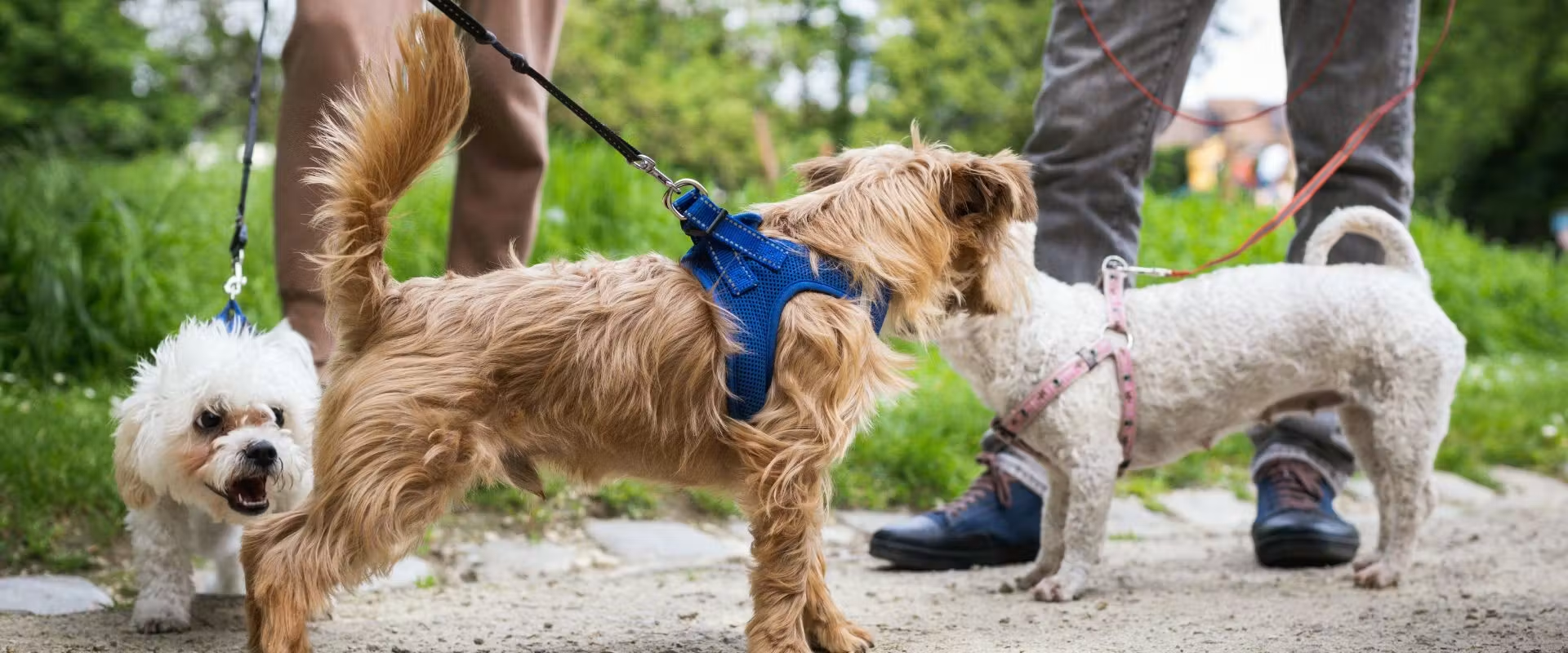
Leaving your dog with a sitter or walker should feel helpful, not stressful. Whether you are going to work, traveling for a weekend, dealing with a busy schedule, or arranging regular walks, you want to know your dog is safe, comfortable, and properly cared for. A good sitter or walker can make life easier for both you and your dog, but safety should always be planned before the handoff.
Dogs can behave differently with someone new. A calm dog may become nervous. A confident dog may test boundaries. A dog who walks nicely with you may pull harder with another person. Even experienced sitters and walkers need clear information, reliable equipment, and emergency instructions.
At EDogDog, we believe dog safety works best when owners combine preparation, identification, communication, and practical technology. A sitter or walker does not need to guess what your dog needs. With the right setup, they can care for your dog more confidently and reduce the chance of accidents.
Start with Clear Written Instructions
The first safety step is simple: write everything down. Verbal instructions are easy to forget, especially if the sitter is managing multiple pets or if the walker only sees your dog for a short visit. A written care sheet gives them something to check whenever needed.
Include your dog’s feeding schedule, walking routine, bathroom habits, medication instructions, favorite toys, behavior notes, and emergency contacts. Mention anything that could affect safety, such as fear of bikes, reactivity toward other dogs, food guarding, escape attempts, or anxiety around strangers.
Do not assume something is obvious. If your dog should not go to dog parks, write it down. If your dog must wear a harness, write it down. If your dog bolts through doors, write it down. Clear instructions protect your dog and help the sitter avoid mistakes.
You can also share links to useful dog care resources, such as the ASPCA’s general dog care guidance, especially if the sitter is a friend or family member rather than a professional.
Use Proper Identification Before Every Handoff
Before your dog stays with a sitter or goes out with a walker, make sure their identification is current. Your dog should wear a readable ID tag with your phone number. If the sitter is caring for your dog during travel, consider adding a temporary tag with the sitter’s number too.
A microchip is also important. The American Veterinary Medical Association explains that microchips are not GPS devices, but they can help identify a pet after they are found and scanned. Make sure the microchip registration has your current contact details.
If your dog wears a QR tag, update the digital profile before leaving them with someone else. Add the sitter’s contact information if the system allows it. Include notes like “Do not chase,” “Needs medication,” or “Call owner immediately.”
For more information about identification and connected safety tools, EDogDog’s page on dog safety tech explains how simple tools and smart devices can work together.
Check the Collar, Harness, and Leash
A safe walking setup is one of the most important parts of sitter and walker care. Many lost dog cases happen because a dog slips out of a collar, backs out of a harness, or pulls the leash from someone’s hand.
Before handing your dog over, check the fit of the collar and harness. A collar should not be so loose that it slips over the head. A harness should fit securely around the body without rubbing or restricting movement. For dogs who are nervous, newly adopted, or known to back out of gear, a more secure harness may be needed.
Use a strong leash with a reliable clip. Avoid damaged leashes, weak retractable leashes, or collars with loose rings. Some dogs may be safer with a double-clip setup, where one leash connects to the harness and another safety strap connects to the collar.
The American Kennel Club offers general walking guidance that reminds owners how important leash control and consistency are during walks. When someone else walks your dog, safe equipment becomes even more important.
Share Your Dog’s Triggers
Every dog has different triggers. Some dogs react to motorcycles, skateboards, children, other dogs, squirrels, loud trucks, elevators, or strangers reaching toward them. A sitter or walker needs to know these details before taking your dog outside.
Be honest about your dog’s behavior. Do not hide reactivity, fear, pulling, barking, or escape risk because you feel embarrassed. The sitter cannot protect your dog from a problem they do not know about.
Write down specific examples. Instead of saying “he gets nervous,” say “he barks and pulls when large dogs pass within a few feet.” Instead of saying “she is shy,” say “do not let strangers bend over her or pet her on walks.”
This helps the sitter make better choices. They may avoid busy routes, use quieter walking times, skip dog parks, or keep more distance from triggers.
Use GPS Tracking for Extra Peace of Mind
A GPS collar or smart tracker can be very helpful when your dog is with a sitter or walker. If your dog slips out of a door, pulls away during a walk, or escapes from a yard, GPS tracking may help you see their location faster.
This does not mean the sitter can be careless. GPS is a backup, not a replacement for safe handling. But it can provide an extra layer of protection, especially for dogs who are anxious, energetic, or unfamiliar with the sitter.
Before leaving your dog, make sure the tracker is fully charged and properly attached. Confirm that the app works, notifications are on, and any subscription is active. If the sitter will need access to the tracker, explain how it works or share location access if the device allows it.
EDogDog’s guide to smart collars and GPS explains how these tools can support location awareness and escape response.
Create a Safe Door Routine
Door escapes are common when dogs are staying with sitters. A dog may rush out when the sitter opens the front door, accepts a delivery, lets another pet out, or enters with bags. Even dogs who behave well at home may become more excited or nervous in a new routine.
Create a door safety rule. For example, the dog should be behind a baby gate, in another room, or on a leash before the front door is opened. If the sitter is coming to your home, leave clear instructions near the door.
For dogs staying at the sitter’s house, ask about their entry setup. Is there a fenced yard? Are there double doors? Are gates secure? Are other pets present? A safe environment matters as much as the sitter’s experience.
If your dog is a flight risk, avoid casual handoffs in parking lots or open driveways. Use a secure indoor space whenever possible.
Prepare an Emergency Contact List
Your sitter or walker should have more than just your phone number. They should also have a backup contact, your veterinarian’s information, the nearest emergency vet, and your dog’s microchip details.
If you are traveling, include the best way to reach you and what to do if you are unavailable. Give permission in writing for emergency veterinary care if appropriate. Some vets may require owner approval, so planning ahead helps avoid delays.
Include your dog’s medical history, allergies, medications, and insurance information if relevant. If your dog has a serious condition, explain what symptoms require urgent care.
The American Veterinary Medical Association provides basic pet first-aid information, but a sitter should still contact a veterinarian for emergencies. Written contacts help them act faster.
Use Cameras Carefully for Home Visits
If a sitter is visiting your home, a camera can help you confirm that your dog is being checked on and that your dog is settling well. However, cameras should be used respectfully. If a professional sitter or walker is entering your home, let them know where cameras are located.
Home cameras can help monitor barking, restlessness, door activity, or whether your dog is eating and drinking. They can also be useful if your dog is recovering from illness or has separation anxiety.
Still, cameras should not become a source of constant stress. Checking once or twice may be helpful. Watching all day can make you anxious and may lead you to worry about normal dog behavior.
Technology should support trust and safety, not create tension between you and the caregiver.
Give the Sitter a Normal Routine
Dogs feel safer when routines stay familiar. If your dog usually eats at certain times, walks a certain route, sleeps in a certain bed, or uses specific commands, share those details.
A sudden change in routine can make some dogs nervous. They may refuse food, bark more, or test boundaries. The sitter does not need to copy everything perfectly, but keeping the main routine familiar can help your dog settle.
Pack your dog’s regular food, treats, leash, harness, medication, bed, and favorite toy. Avoid introducing too many new items at once. If your dog has a sensitive stomach, tell the sitter not to give random treats or table scraps.
Consistency is especially important for puppies, senior dogs, anxious dogs, and dogs with medical needs.
Set Rules for Walks and Public Places
Never assume the sitter or walker has the same safety standards as you. Be clear about what is allowed. Can your dog greet other dogs? Can they visit dog parks? Can they be walked off-leash? Can they ride in a car? Can they be around children?
For many dogs, the safest rule is no off-leash time unless it is in a secure enclosed area and you have approved it. Even friendly dogs can run if startled. A dog who listens to you may not respond the same way to someone else.
If your dog is reactive or easily overwhelmed, ask the walker to choose quiet routes and avoid crowded areas. If your dog is small, remind the walker to be cautious around larger dogs.
Clear rules prevent misunderstandings and reduce risk.
Monitor Health and Behavior After Care
After your dog returns from a sitter or walker, pay attention to their behavior. Are they relaxed? Overly tired? Limping? Thirsty? Nervous? Scratching? Avoiding certain equipment? Changes can tell you whether the care setup worked well.
A health wearable can help you compare activity, rest, or sleep patterns while your dog is with someone else. This is useful if your dog has exercise limits, anxiety, or health concerns. EDogDog’s page on health wearables explains how wearable tools can support daily awareness.
Do not assume every change means something bad happened. Dogs can be tired after extra walks or excited from new experiences. But if you notice repeated stress signs after sitter visits, it may be worth adjusting the arrangement.
Build Trust Slowly
If your dog will stay with a sitter for several days, try a short trial first. A meet-and-greet, short walk, or one-hour visit can help your dog become familiar with the person. This also lets the sitter learn your dog’s behavior before a longer stay.
For nervous dogs, gradual introductions are especially important. Let the sitter use treats, calm body language, and gentle handling. Do not rush your dog into close contact if they are uncomfortable.
A good sitter or walker should respect your dog’s pace and follow your instructions. If they dismiss your concerns or ignore safety rules, they may not be the right fit.
Final Thoughts
Safety setups for dogs staying with sitters or walkers should be planned before the first visit. A good setup includes written instructions, updated identification, secure walking gear, trigger notes, emergency contacts, safe door routines, and clear rules.
Smart tools can add extra protection. GPS collars can help with location awareness. Cameras can support home monitoring. Health wearables can help track activity and rest. These tools are useful, but they work best when paired with responsible human care.
As dog care becomes more connected, the future of dogs will likely include more technology for sitters, walkers, and owners. But the basics will always matter: clear communication, secure equipment, updated ID, and careful handling.
Before leaving your dog with anyone, make safety easy for them. Give them the information, tools, and instructions they need. When everyone understands the plan, your dog has a better chance of staying calm, protected, and comfortable while you are away.
For more practical dog safety guides, visit the EDogDog blog or explore the EDogDog FAQs for answers about GPS collars, smart tools, and everyday dog protection.


