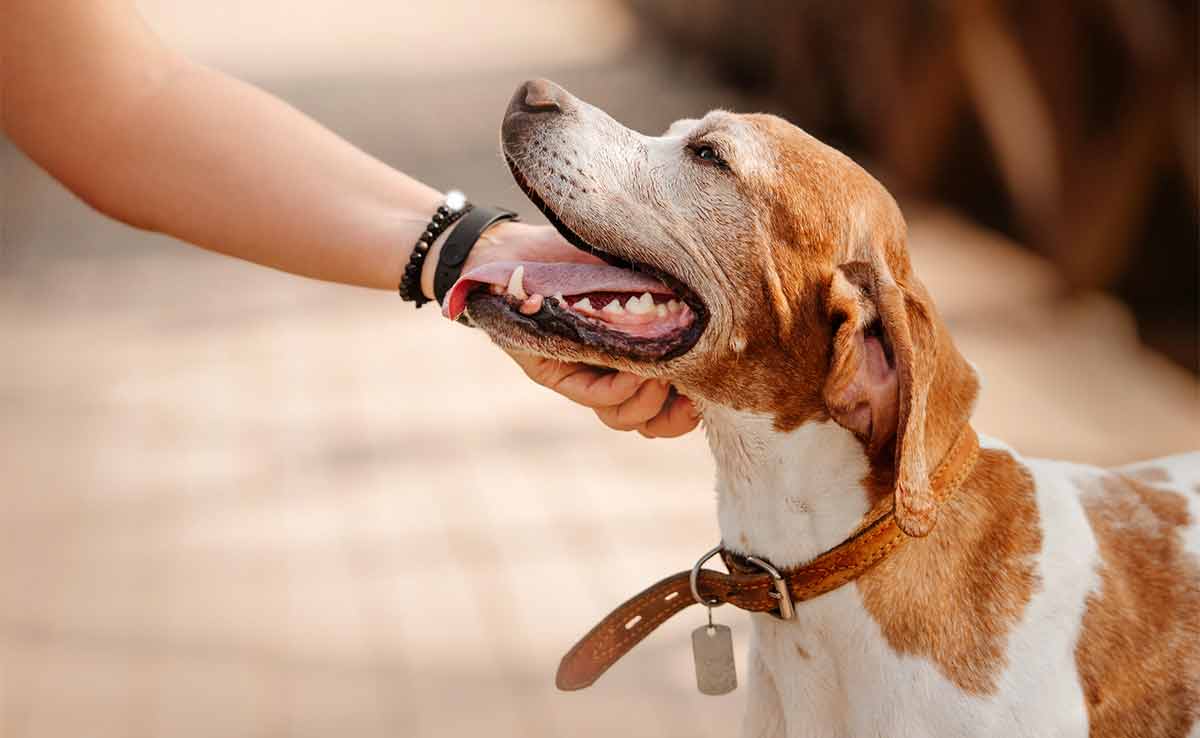
Losing a dog is one of the most stressful experiences a pet owner can face. Even if your dog is calm, trained, and mostly stays close to home, accidents can happen. A gate may be left open, a leash may slip, a loud noise may cause panic, or a visitor may open the door at the wrong time. In that moment, proper identification can make the difference between a dog being “just lost” and a dog being quickly returned home.
Dog identification is not only about putting a name tag on a collar. The best approach uses multiple layers: visible ID tags, microchips, smart collars, updated contact details, and safe habits. At EDogDog, we believe modern dog safety should combine simple basics with useful technology. When these tools work together, your dog has a much better chance of being recognized, contacted about, and returned safely.
Why Dog Identification Matters
Many owners assume their dog will never get lost because they are indoor pets, well-trained, or always supervised. But lost dog situations often happen in ordinary moments. A dog may run out during a delivery, slip from a harness during a walk, or bolt after hearing fireworks. Even a friendly dog can become scared and avoid people when they are outside alone.
Identification gives others a way to help. If someone finds your dog and sees a clear ID tag, they can contact you quickly. If the collar is missing, a microchip can help a vet or shelter identify the owner. If your dog is wearing a GPS collar, you may be able to track their location before someone else finds them.
No single method is perfect. That is why layered identification is so important. Each tool covers a different situation.
Start with a Clear ID Tag
A basic ID tag is still one of the fastest and easiest ways to help a lost dog get home. If a neighbor, walker, delivery driver, or stranger finds your dog, they do not need special equipment to read a tag. They can simply check the collar and call the number.
A good ID tag should include your current phone number. Some owners also include the dog’s name, city, or a short message such as “I’m microchipped” or “Please call my owner.” The text should be easy to read, and the tag should be securely attached to the collar.
Avoid relying on old tags. If your phone number changes, replace the tag. If the text becomes scratched or faded, update it. A tag with unreadable information is not very useful during an emergency.
A visible ID tag is simple, affordable, and effective. Even with smart dog technology, it remains one of the most important identification tools.
Use a Microchip for Permanent Identification
A microchip is a small identification device placed under your dog’s skin by a veterinarian or trained professional. It contains a unique number that can be scanned at many veterinary offices, shelters, and rescue organizations.
The most important thing to understand is that a microchip is not a GPS tracker. It does not show your dog’s location. It only helps identify your dog after they are found and scanned. The American Veterinary Medical Association explains that microchips are identification tools, not tracking devices.
Still, microchips are extremely valuable because they stay with your dog even if a collar or tag comes off. This is why every dog should have one, including indoor-only dogs.
The ASPCA also recommends microchipping pets and keeping the registration information updated. A microchip is only helpful if your contact details are correct. If you move, change your phone number, or adopt a dog whose chip is still registered to someone else, update the information as soon as possible.
Add a Smart Collar for Real-Time Awareness
A smart collar adds another layer of protection by helping you track your dog’s location or monitor certain activity patterns. Depending on the device, it may offer GPS tracking, safe zone alerts, location history, activity tracking, or app notifications.
This can be especially useful if your dog escapes before anyone sees them. Instead of waiting for a call, you may be able to open an app and check their location. If the tracker supports live tracking, you may see the direction your dog is moving.
For more details about how tracking devices work, EDogDog’s page on smart collars and GPS explains how smart collars can support dog safety and location awareness.
A smart collar should not replace a tag or microchip. It depends on battery life, signal, subscription status, and whether the collar stays attached. But when used correctly, it can help you act faster during the first minutes of a missing dog situation.
Keep Contact Information Updated Everywhere
One of the biggest mistakes owners make is forgetting to update contact details. Your dog may have a tag and microchip, but if the phone number is old, the person who finds your dog may not be able to reach you.
Check all places where your contact information appears. This includes ID tags, microchip registry, smart collar app, vet records, local license records, and any lost pet profiles you use. If you move homes or change phone numbers, update everything immediately.
It may also help to include a backup contact. This could be a family member or trusted friend who can answer if you are unavailable. If your dog gets lost while you are working, traveling, or away from your phone, a backup contact can help speed up communication.
Good identification is not only about having tools. It is about keeping those tools accurate.
Choose the Right Collar and Fit
Identification tools only work if they stay with your dog. A collar that is too loose may slip off. A collar that is too tight can be uncomfortable or unsafe. A weak ring may break, and a loose tracker attachment may fall off during play.
Make sure your dog’s collar fits properly and check it regularly. Puppies grow quickly, and adult dogs can gain or lose weight. Tags should be attached with a strong ring, and any smart tracker should be secured according to the manufacturer’s instructions.
Some dogs do better with harnesses during walks, especially if they pull, panic, or have narrow heads. However, a harness should not be the only place your dog carries ID because harnesses are often removed at home. A collar with an ID tag is useful because many dogs wear it more consistently.
If your dog is an escape risk, consider both a secure walking setup and an everyday ID collar.
Use Dog Licenses Where Required
In many places, local dog licensing is required. A dog license tag can help identify your pet through the local authority if someone finds them. Rules vary by location, so owners should check their city or county requirements.
A license does not replace a personal ID tag or microchip, but it can provide another path back to you. It also shows that your dog is officially registered in your area.
If your dog wears multiple tags, make sure the most important contact information is still easy to find. Too many noisy or crowded tags can be confusing, so keep them organized and readable.
Make Smart Safety Part of Everyday Care
Identification is one part of a bigger safety system. Dog owners should also think about prevention. Secure gates, close doors carefully, check leash clips, avoid loose collars, and train your dog to wait before going through doors.
Modern tools can support these habits. For example, safe zone alerts from a tracker may warn you if your dog leaves a set area. Health and activity data may help you notice routine changes. Wearable technology can become part of a broader safety plan, especially for dogs who are anxious, adventurous, or frequently walked in busy areas.
EDogDog’s guide to dog safety tech covers how different tools can work together to protect dogs in everyday life.
Create a Lost Dog Action Plan Before You Need It
Many owners only think about lost dog steps after the dog is already missing. It is better to prepare in advance. Keep recent photos of your dog on your phone. Know your microchip company and login details. Save your smart collar app login. Keep your dog’s vet information available.
You can also create a simple plan with your family. Decide who checks the tracker, who searches nearby streets, who contacts shelters, and who posts online if needed. During an emergency, people often panic, so having a plan can help everyone act faster.
If your dog has a history of bolting, practice safe routines. Use extra caution at doors, during fireworks, around unfamiliar visitors, and in busy public spaces.
Don’t Forget Health and Behavior Clues
Identification helps return a lost dog, but health and behavior information can also matter. If your dog is nervous, deaf, blind, senior, or needs medication, you may want that noted somewhere accessible. Some owners add a small message on the tag, while others include details in a smart collar profile or microchip registry.
Health wearables may also help owners understand changes in their dog’s routine. While they do not replace veterinary care, they can provide useful daily awareness. EDogDog’s section on health wearables explains how wearable tools may support modern dog care.
If your dog is anxious or likely to hide when lost, tell people not to chase them if you post a lost dog alert. Calm handling can be very important for frightened dogs.
Technology Is Helpful, but Basics Still Matter
Dog technology is becoming more advanced, and smart collars are part of the future of dogs. But even the best technology should not make owners ignore simple basics.
A smart collar may help you track your dog, but it can lose battery. A microchip may help identify your dog, but it requires scanning. An ID tag may help someone call you immediately, but it can fall off. Each tool has strengths and weaknesses.
That is why the best strategy is not choosing one method. It is combining them. A dog with a visible tag, registered microchip, updated contact details, and smart collar has a stronger safety net than a dog with only one form of identification.
Final Thoughts
The best way to ID your dog is to use more than one method. Start with a clear ID tag. Add a registered microchip. Keep your contact information updated. Consider a smart collar if your dog is at risk of escaping or if you want real-time location support. Make sure your dog’s collar fits properly and that identification stays readable and secure.
A lost dog should never be “just lost” with no way home. With the right identification tools, anyone who finds your dog has a better chance of contacting you, and you have a better chance of locating them quickly.
Dog identification is not complicated, but it does require consistency. Check tags, update records, charge smart collars, and review your safety plan regularly. These small steps can make a huge difference during one unexpected moment.
For more practical guidance on modern dog safety, visit the EDogDog blog or contact the team through EDogDog’s contact page for more information about smart dog technology and responsible pet care.


