A dog bolting from the leash is one of the scariest moments an owner can experience. One second, your dog is walking beside you, and the next, they are running toward a street, chasing a squirrel, reacting to a loud noise, or pulling away from an unexpected situation. Even well-trained dogs can panic, get distracted, or move faster than expected.
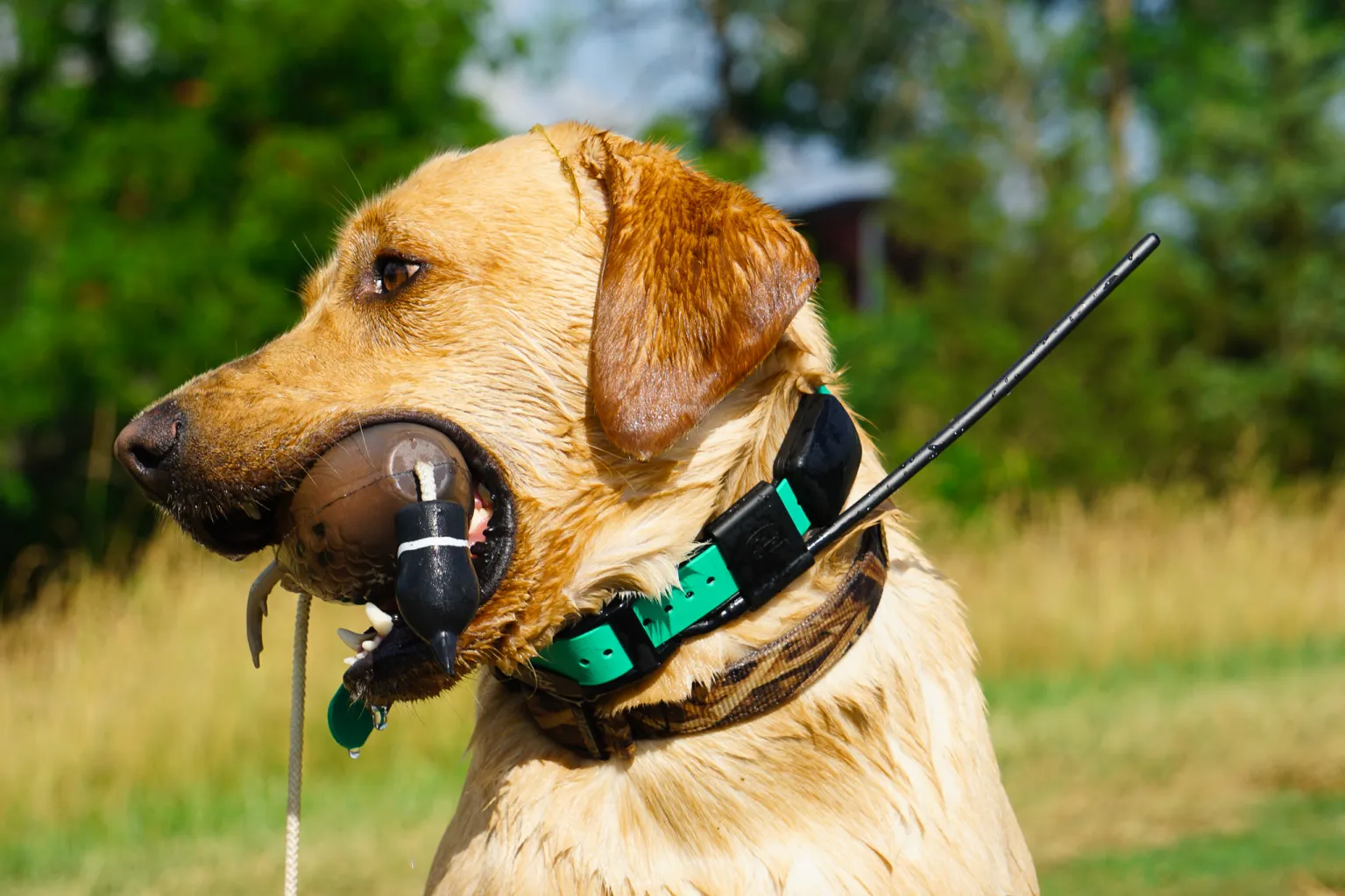
This is where GPS collars can become a powerful safety tool. They do not replace training, a secure leash, or careful handling, but they can give owners a better chance of locating their dog quickly if something goes wrong. At EDogDog, we focus on practical technology that helps dog owners protect their pets in real-life situations, and leash escapes are one of the clearest examples of why smart collars can matter.
When a dog bolts, every minute counts. A GPS collar can help you see the direction your dog is moving, track their location through an app, and respond faster than searching blindly. For dogs who are nervous, reactive, newly adopted, highly energetic, or easily startled, this extra layer of protection can make a major difference.
Why Dogs Bolt from the Leash
Dogs can bolt from the leash for many reasons. Some dogs run because they are excited. Others run because they are scared. A sudden car horn, thunder, fireworks, construction noise, another dog, a cyclist, or a small animal can trigger an instant reaction.
Even dogs with good manners can react unpredictably in the wrong moment. A leash may slip from your hand, a collar may loosen, a harness may not fit properly, or the dog may pull harder than expected. In busy areas, this can become dangerous very quickly.
Some dogs are more likely to bolt than others. Rescue dogs may still be learning to trust their environment. Puppies may not understand boundaries. High-prey-drive breeds may chase moving animals. Anxious dogs may panic in unfamiliar places. Senior dogs with hearing or vision changes may become confused and move in unexpected directions.
This is why safety planning matters before an emergency happens. Good leash handling, proper collar or harness fit, and awareness of your surroundings are always important. But a GPS collar can support those basics by helping you respond if your dog gets away.
What a GPS Collar Does in a Leash Escape
A GPS collar uses location technology to help show where your dog is. Many smart collars connect to a mobile app, allowing you to view your dog’s position on a map. Some devices also offer live tracking, safe zones, location history, and alerts.
If your dog bolts from the leash, you can open the app and check their last known location or current movement. Instead of guessing which direction they went, you may be able to follow the map. This can be especially helpful if your dog disappears around a corner, enters a park, runs through a neighborhood, or moves into a wooded area.
Different collars work in different ways, so it is important to understand the features before relying on them. EDogDog’s guide to smart collars and GPS explains how GPS dog collars support location tracking and why they can be useful for active or escape-prone dogs.
A GPS collar does not physically stop your dog from running. It does not replace recall training or a strong leash setup. But it can reduce the confusion that happens after an escape. Knowing where to look is much better than searching randomly.
Live Tracking Can Help During the First Few Minutes
The first few minutes after a dog bolts are often the most stressful. Owners may panic, call the dog repeatedly, run after them, or ask nearby people for help. While quick action is important, chasing a frightened dog can sometimes make them run farther.
Live tracking can help you act more calmly. If your collar has a live mode, you may be able to see your dog’s movement more frequently. This can show whether they are still running, slowing down, stopping near a location, or moving toward a road.
This information helps you make better decisions. If your dog is moving quickly, you may choose to follow carefully while avoiding sudden chasing. If they stop in a specific area, you can approach slowly or ask someone nearby to help block a safe exit. If they are near traffic, you can focus on getting to that area quickly.
Live tracking often uses more battery than normal tracking, so it should usually be saved for urgent moments. This is why it is important to keep your tracker charged and understand how to activate live mode before an emergency happens.
GPS Collars Reduce Guesswork
Without a tracker, owners usually depend on sight, sound, and guesses. You may ask people nearby if they saw your dog, check streets, look through parks, or drive around the area. These steps can help, but they can also waste time if your dog has already moved in another direction.
A GPS collar can reduce guesswork by giving you a clearer search path. Even if the location is not perfect, it can still narrow down the area. For example, knowing your dog moved toward a nearby field is better than searching every street equally.
This is especially useful in neighborhoods with many turns, apartment complexes, large parks, hiking trails, or unfamiliar travel locations. If your dog bolts while you are away from home, you may not know the area well. A GPS collar can give you a map-based starting point.
For dog owners interested in broader protection tools, EDogDog’s page on dog safety tech covers how modern devices can support everyday dog safety.
Safe Zones Are Useful Before and After Walks
Many smart collars allow owners to create safe zones around the home, yard, or other regular locations. If the dog leaves that area, the app can send an alert. While safe zones are usually discussed for home escapes, they can also be useful around walking routines.
For example, if your dog bolts near your house and leaves the safe zone, you may receive an alert quickly. If you are walking at a friend’s house, vacation rental, or dog sitter’s home, you may be able to create temporary safe zones depending on the device.
Safe zones are not a complete solution for leash escapes because many leash accidents happen away from home. Still, they can be helpful for dogs who commonly slip out near doors, driveways, or front yards before walks begin.
Owners should test safe zone alerts before relying on them. Some alerts may arrive faster than others depending on signal strength, app settings, and the tracker’s update frequency.
GPS Collars Work Best with Proper Identification
A GPS collar is helpful, but it should not be the only safety tool your dog has. The collar could fall off, the battery could die, or the signal could become weak. That is why your dog should also have updated identification.
A basic ID tag with your phone number can help someone contact you quickly if they find your dog. A microchip provides permanent identification if your dog is taken to a vet or shelter. The American Veterinary Medical Association explains that microchips are identification tools, but they are not GPS trackers. This means a microchip and GPS collar serve different purposes.
The ASPCA also encourages pet owners to microchip pets and keep the registration information updated. If your dog bolts and loses their collar, a microchip may still help reunite you.
The strongest safety plan uses layers: a secure leash, properly fitted collar or harness, ID tag, microchip, training, and a GPS collar if needed.
Training Still Matters
A GPS collar can help you locate your dog, but training can help prevent the escape from becoming worse. Recall training, leash manners, focus commands, and calm handling all reduce risk.
Dogs should learn to respond to their name, return when called, and check in with the owner during walks. However, even trained dogs may not respond during high excitement or fear. That is why training and technology work best together.
The American Kennel Club explains that basic cues such as come, sit, stay, and attention can support better communication between dogs and owners. These skills are useful during normal walks and may also help in stressful moments.
If your dog has a history of bolting, it may help to practice recall in safe enclosed spaces before trusting them in open areas. You may also consider using a front-clip harness, double leash setup, or properly fitted martingale collar depending on your dog’s size and behavior.
GPS Tracking Helps Owners Stay Calmer
When a dog runs away, panic is natural. But panic can lead to poor decisions, such as running into traffic, shouting too much, or chasing the dog in a way that makes them run farther.
A GPS collar can help owners stay calmer because they have information. Instead of feeling completely lost, you can check the app, see the direction of movement, and plan your response. This does not remove the stress, but it can make the situation more manageable.
Calm action is especially important with frightened dogs. Some dogs will not come when called if they are scared. They may hide, keep moving, or avoid people. If you can track where they settle, you may have a better chance of approaching slowly and safely.
Important Limits of GPS Collars
GPS collars are helpful, but owners should understand their limits. Location updates may not be instant. Battery life can run down. Signal may be weaker indoors, near tall buildings, in remote areas, or under heavy tree cover. Some collars require a paid subscription for full GPS features.
This is why it is important to test the tracker before an emergency. Take it on walks, check how quickly the app updates, test live tracking, and learn what the alerts look like. Do not wait until your dog bolts to figure out how the app works.
You should also charge the device regularly. A dead tracker is no better than no tracker at all. If your dog is escape-prone, make charging part of your routine before walks or outings.
Which Dogs Benefit Most from GPS Collars?
Any dog can benefit from extra safety, but GPS collars are especially useful for dogs with higher escape risk. This includes anxious dogs, rescue dogs, newly adopted dogs, puppies, high-energy breeds, dogs with strong prey drive, dogs who travel often, and dogs walked in busy areas.
They can also help senior dogs who may become confused or dogs who are cared for by sitters, walkers, or family members. If multiple people handle your dog, a GPS collar can provide extra peace of mind.
Dogs who spend time in parks, near traffic, on hiking trails, or in unfamiliar places may also benefit. Even if your dog is usually well-behaved, new environments can create unexpected reactions.
Final Thoughts
A GPS collar can be extremely helpful if your dog bolts from the leash. It gives you a way to track direction, reduce guesswork, use live location features, and respond faster. It cannot stop your dog from running, but it can help you find them more quickly if they do.
The best protection comes from combining technology with responsible care. Use a secure leash and properly fitted collar or harness. Keep your dog’s ID tag and microchip information updated. Practice recall and leash training. Charge the tracker regularly and test the app before you need it.
For many owners, a GPS collar is worth it not because they expect their dog to run away every day, but because one unexpected moment can happen to anyone. A loud noise, loose grip, sudden chase, or broken clip can turn a normal walk into an emergency.
As dog technology continues to improve, GPS collars are becoming part of the future of dogs, where safety, tracking, and health awareness work together. For leash escapes, that technology can give owners something very valuable: a better chance to bring their dog home safely.


